Growing Demand for Functional Fibers — Hot Melt Monofilament Supports Green Upgrading in the Textile Industry
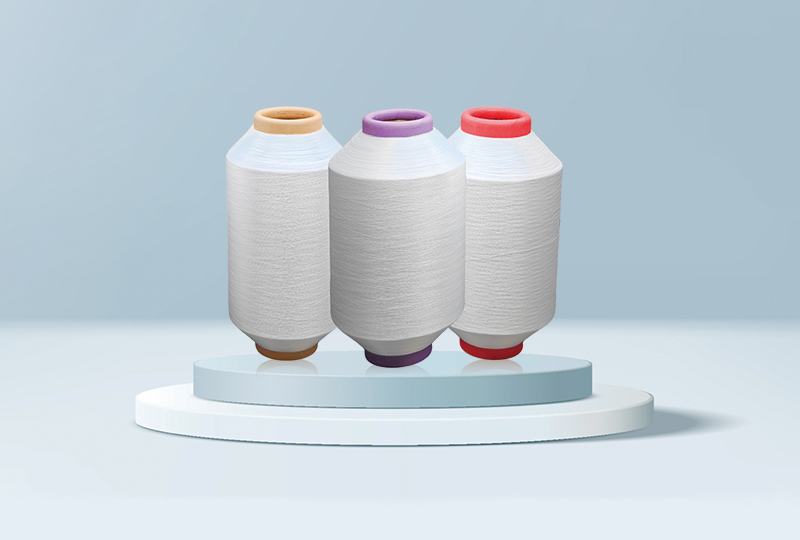
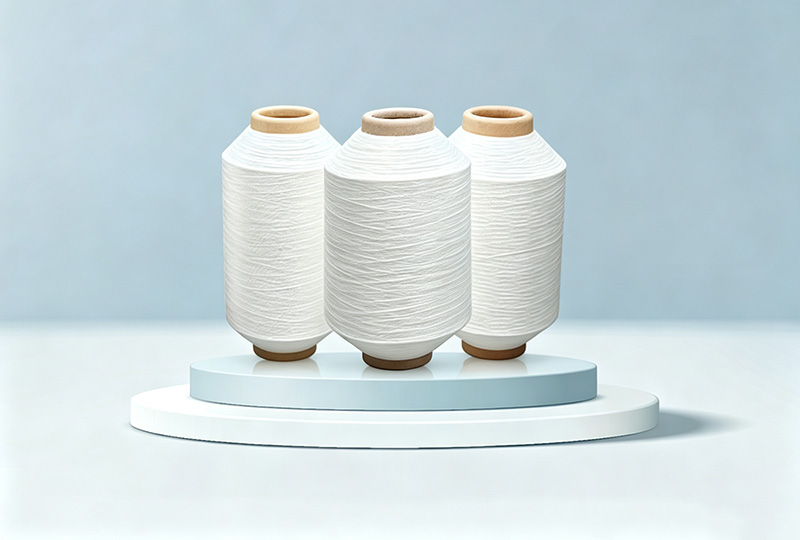
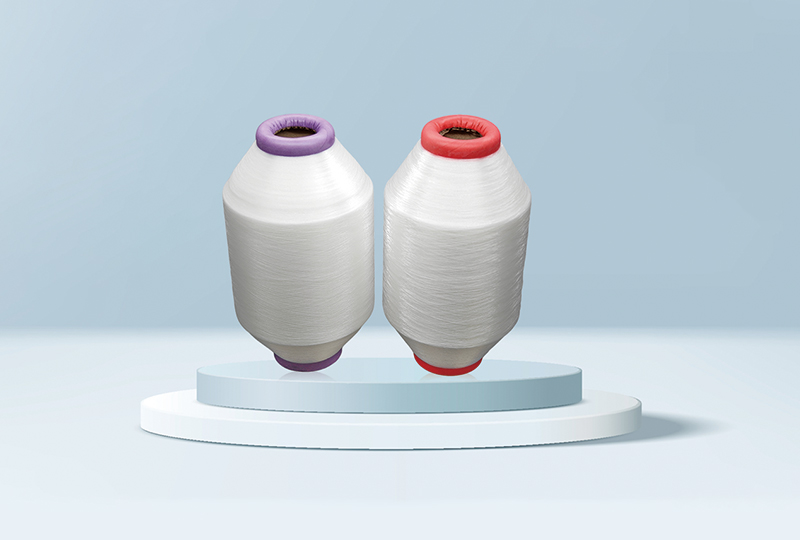
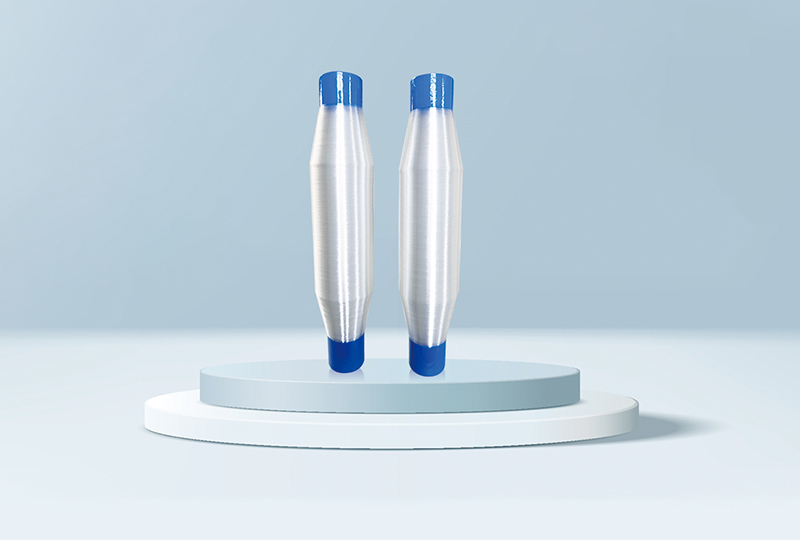
In recent years, as the textile industry continues to raise its standards for product quality and environmental performance, functional fiber materials have attracted increasing attention from downstream enterprises. Among these, hot melt monofilament, with its unique thermal bonding properties, has become a favored auxiliary material in fabric processing, footwear manufacturing, and industrial textile applications.
Traditional fabric bonding and shaping processes often rely on adhesives or chemical bonding agents, which involve relatively complex procedures and may cause environmental concerns such as volatile emissions and dust pollution. Hot melt monofilament offers a practical solution to these challenges. As a thermoplastic functional monofilament, it can be woven directly alongside other fibers, and bonding is achieved simply by applying heat in a subsequent step — eliminating the need for additional adhesives, improving the production environment, and streamlining the manufacturing process.
In terms of material composition, polyester hot melt monofilament and nylon hot melt monofilament are the two most common categories on the market. They are designed to match polyester and nylon fabric systems respectively, with melting points ranging from 85°C to 180°C, accommodating various processing temperature requirements. On the application side, hot melt monofilament has been widely adopted across multiple segments, including 3D knitted shoe uppers, curtain fabrics, webbing, bonded yarns, suit linings, lace trims, automotive interiors, and filtration materials.
Industry observers note that as downstream brands place greater emphasis on environmental compliance within their supply chains, and consumers raise their expectations for product safety and durability, the market potential for functional fiber materials is expected to expand further. For procurement companies, when selecting a hot melt monofilament supplier, it is advisable to focus on the melting point stability, batch-to-batch consistency, and the supplier's technical service capabilities to ensure smooth downstream processing.
Jiangsu Dixiang New Materials Technology Co., Ltd. has long been dedicated to the R&D and production of hot melt monofilament and other functional fiber materials. Located in Xinbei District, Changzhou, Jiangsu Province, the company has established mature spinning processes and quality control systems, and can provide hot melt monofilament products in multiple specifications and melting points tailored to customer needs.
For more product information, please visit Jiangsu Dixiang New Materials Technology Co., Ltd. (Official website: http://www.dixiangxcl.com ) or contact us directly. We will provide you with professional and efficient service support!