Popularization of Seamless Weaving Drives SupplyChain Upgrade of Textile Auxiliaries with HotMelt Monofilament
In recent years, the product structure of the textile industry has kept adjusting. Seamless weaving and integrated forming processes have gained expanding applications in shoe‑making materials, home textiles and automotive interiors, driving steady growth in demand for functional textile auxiliaries such as hot‑melt monofilaments from upstream suppliers. Traditional glue‑bonding and sewing processes suffer from pain points including cumbersome procedures, adhesive volatilization and needle‑hole marks on fabrics. Thanks to its physical thermal‑bonding property, hot‑melt monofilament has become an alternative material for process upgrading among many manufacturers.
Market demands are also evolving. Downstream manufacturers no longer focus merely on basic bonding performance, but set higher standards for hot‑melt monofilaments in terms of melting‑point controllability, filament uniformity and washing resistance stability. Requirements vary sharply across end‑use scenarios: fly‑knit shoe uppers prioritize hot‑press shaping performance; woven tapes and laces pursue soft hand feel; automotive interiors and filter materials impose extra requirements on temperature resistance and weather resistance. Standard off‑the‑shelf products can hardly cover all segmented working conditions. Against this backdrop, customized sampling and collaborative process tuning have gradually become vital supporting capabilities for suppliers.
Many new‑material manufacturers have increased investment in production lines and test equipment. By adjusting formulations and optimizing spinning processes, they develop hot‑melt monofilament products with diverse melting points and specifications to satisfy both mass‑supply and small‑batch sampling requirements. Supply‑chain models are also transforming. Upstream material enterprises engage with weaving mills in advance, and jointly verify material compatibility based on downstream hot‑press equipment parameters so as to reduce losses during trial production.
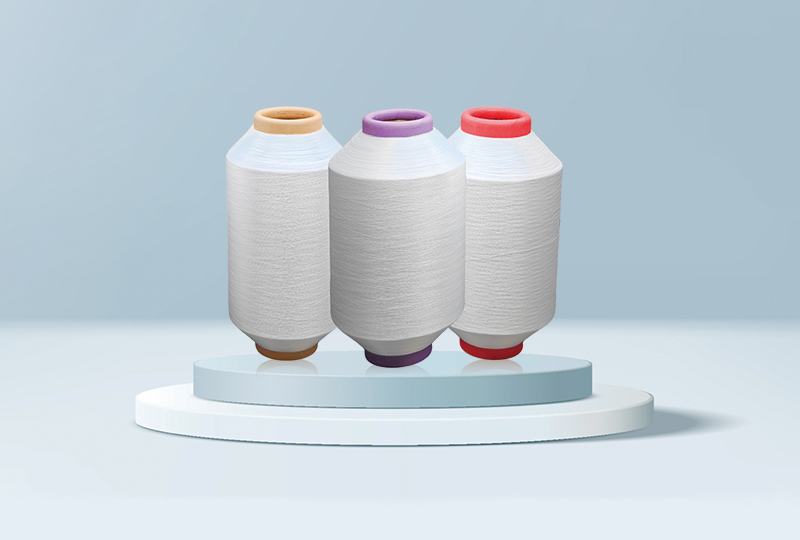
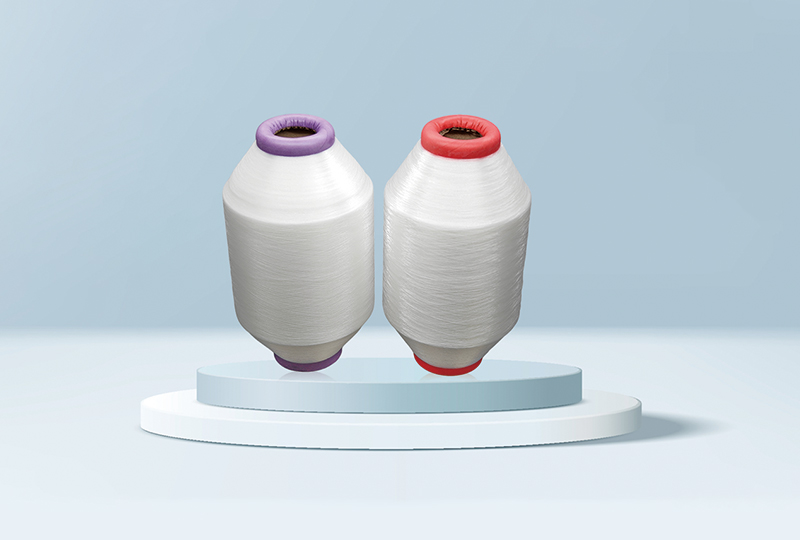
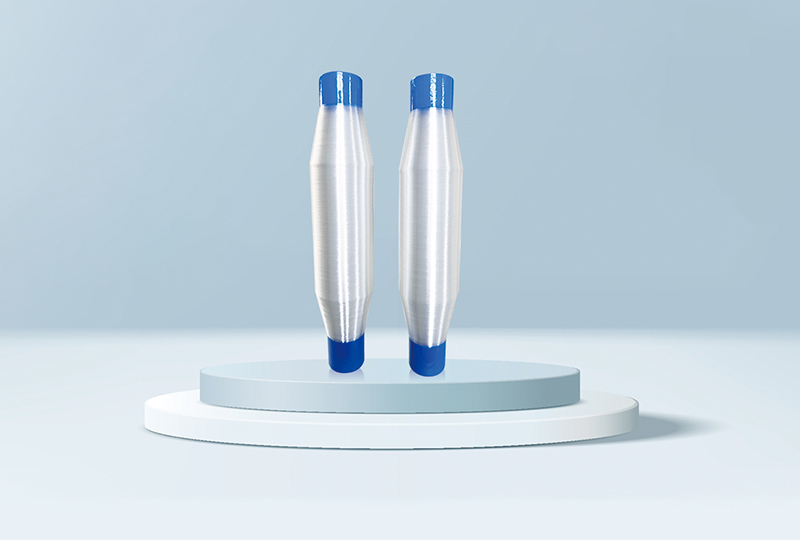
As an enterprise specializing in specialty fibers, Jiangsu Dixiang New Materials has built multiple specialty monofilament production lines and set up a test‑and‑development platform. It delivers hot‑melt monofilament products tailored for various application scenarios, alongside supporting deep‑processing coating services, serving multiple sectors including shoe materials, woven tapes and automotive‑grade materials. Industry insiders note that future competition in the hot‑melt monofilament sector will shift toward segmented‑scenario adaptation, customized R&D and full‑process technical services. Collaborative innovation across the industrial chain will fuel the sustained development of new textile materials.