Application Advantages of Hot Melt Monofilament in Footwear Materials
With the rapid development of knitted uppers, heat-pressing and composite processing technologies, footwear manufacturers are looking for fiber materials that can improve bonding, shaping and processing efficiency. Hot Melt Monofilament has become an increasingly useful material in footwear applications because its melting characteristics can be adjusted according to different processing requirements.
1. Why Is Hot Melt Monofilament Suitable for Footwear Applications?
Hot melt monofilament is produced by adjusting the characteristics of the raw materials and manufacturing process to achieve a specific melting temperature range.
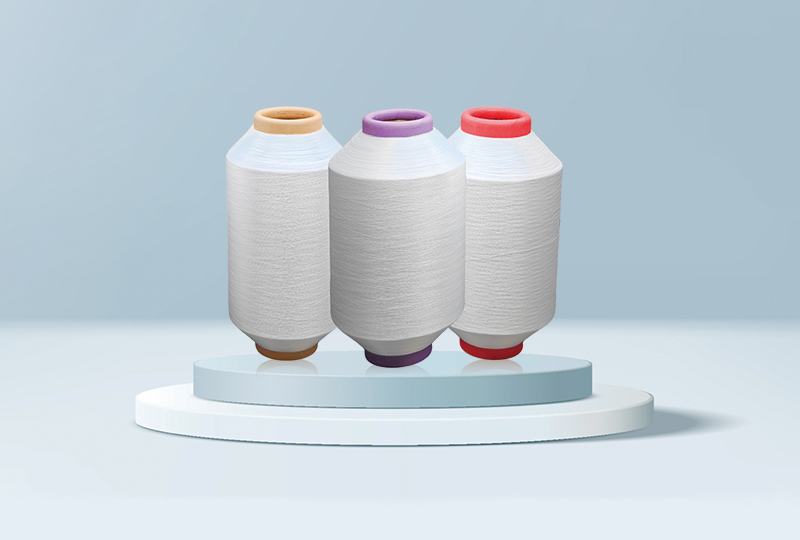
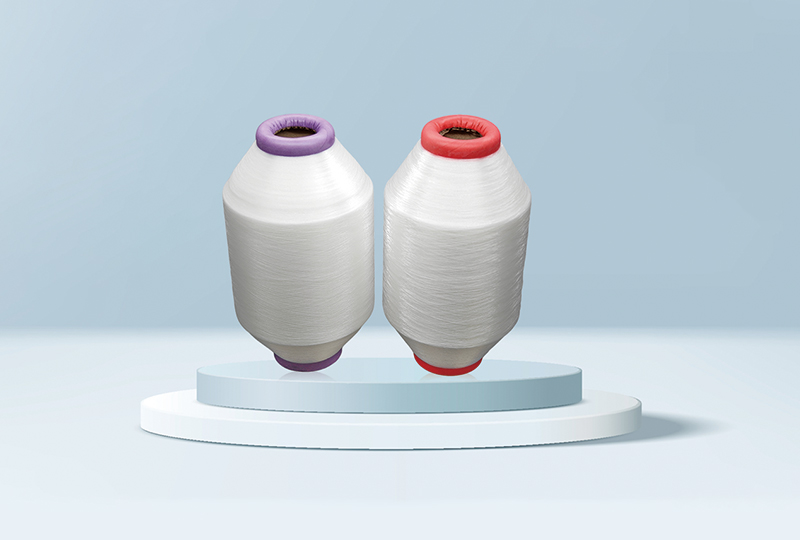
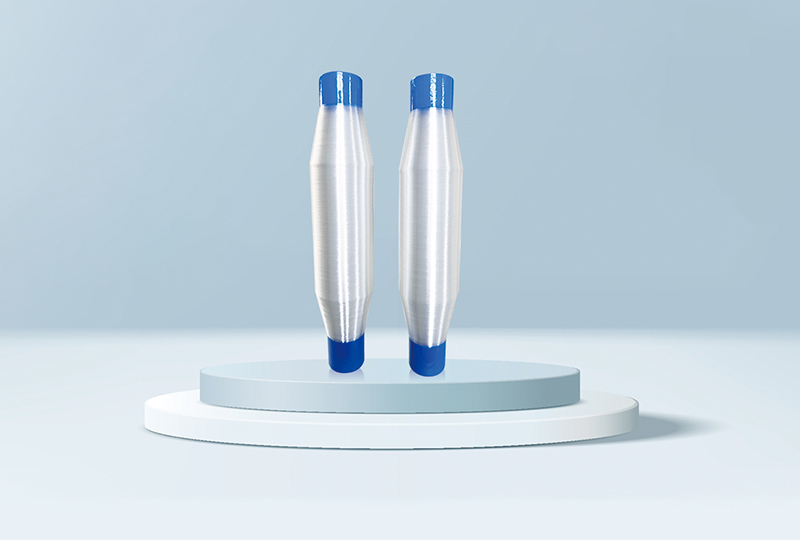
Jiangsu Dixiang New Material provides TPU and PA series Hot Melt Monofilaments. According to the company's product information, the melting point can be adjusted according to application requirements, with available products covering approximately 80°C to 125°C and specifications from 30D to 150D.
This adjustable characteristic is particularly useful in footwear manufacturing because different upper structures, textile constructions and heat-pressing equipment require different processing conditions.
2. Improved Heat-Pressing and Shape-Setting Performance
In knitted footwear uppers, the material needs to maintain a relatively stable structure after heat treatment.
When the Hot Melt Monofilament reaches its appropriate melting condition, it can participate in bonding and fixing the surrounding fibers. This helps stabilize the fabric structure during heat pressing and shaping.
For footwear materials that require dimensional stability and controlled upper geometry, selecting an appropriate hot melt monofilament and processing window can contribute to more consistent forming results.
3. Simplifying Certain Bonding Processes
In some traditional footwear material applications, additional adhesive materials are required for bonding or fixing.
Under suitable processing conditions, hot melt monofilament can participate directly in thermal bonding within the textile structure. This may reduce certain additional adhesive-processing steps and provide manufacturers with another option for simplifying material structures and optimizing production processes.
4. Flexible Selection of Melting Point and Specifications
Different footwear applications do not have identical processing requirements. Knitted uppers, webbings and other footwear components may require different melting temperatures, linear densities and processing conditions.
Therefore, the value of hot melt monofilament is not simply its ability to melt, but its ability to be matched to a specific application.
Jiangsu Dixiang New Material currently offers hot melt monofilaments from 30D to 150D and supports customized specifications and melting points according to customer requirements.